
Our family’s favorite book lists take the guesswork out of sorting through mediocre books or wondering if it will be age-appropriate for your child. These stories, written by real children’s authors, will bring laughter, joy, understanding, and connection to BOTH parent and child.
(You can directly purchase recommended books through Amazon affiliate book links in blue, at no additional cost to you.)
Favorite Books for Babies Ages 0-2

How This Age Learns Best
Babies and toddlers learn about their new world through all five senses. When choosing books for littles, look for age-appropriate options that can handle the wear and tear of curious hands (and mouths!).
Let them interact freely with books—pulling, poking, touching, lifting flaps, and exploring.
Reading Reframe Tip
Reading with babies is more about connection than completion.
The best books are the ones that spark curiosity, smiles, and interaction. Ask simple questions about the pictures like, “Can you find the mouse?” Follow their lead.
Remember:
You don’t need to read every word
Smiling, laughing, pointing, or playing all count
Any positive interaction with a book builds your bond
“Reading” together is much more than words on a page — it’s about sharing wonder, joy, and relationship.
Littles Love & Thrive On:
Textures
Flaps & Movement
Holes to Peek & Poke
Repetition & Rhythm
Favorite Books for Toddlers Ages 2-3
How This Age Learns Best
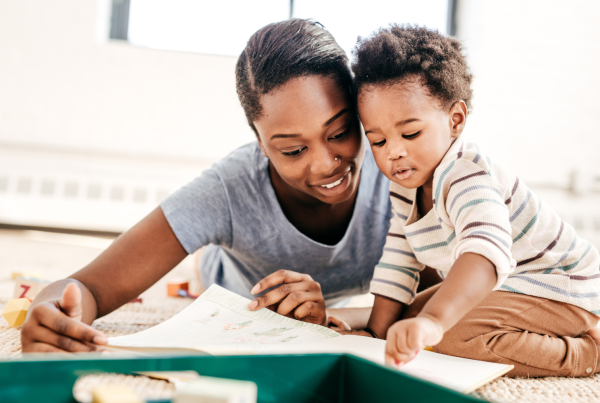
Toddlers are learning independence and seeking reassurance that they are always loved.
Toddlers are especially drawn to:
Simple stories with flaps to lift
Repetition and rhyming language
Predictable rhythms that invite participation
Hearing familiar stories again and again isn’t just comforting — it’s how their brains build new language pathways. (So when they ask for the same book one more time, something important really is happening.) Creating a daily reading routine that both parent and child enjoy helps meet these emotional needs and strengthens your bond.
Reading Reframe Tip
Once a favorite book is well known, pause and let your child finish the sentence.
For example:
“Brown Bear, Brown Bear, what do you…?”
This simple practice:
Builds confidence and early language skills
Creates a sense of predictability and safety
Supports developing nervous systems through connection and rhythm
Recommended Favorites
Stories that Support This Stage:
Want to Sing the Story?
Favorite Books for Kids Ages 3-5

How This Age Learns Best
Preschoolers are naturally curious, imaginative, and full of wonder. Reading stories together invites you to see the world through their eyes — and that shared perspective can create positive ripples throughout your entire day. Preschool is also a key time for developing empathy, friendship, and emotional awareness.
Through thoughtfully written books — created by true children’s literature authors — engaging stories with illustrations naturally invite conversation between parent and child.
Fun, Interactive Tip
Reading with babies is more about connection than completion.
The best books are the ones that spark curiosity, smiles, and interaction. Ask simple questions about the pictures like, “Can you find the mouse?” Follow their lead.
Lean into your preschooler’s curiosity and sense of humor by inviting them to search the illustrations.
For example:
In 10 Minutes ’Till Bedtime, ask:
“Can you find the hamster wearing underwear on his head on every page?”Or look for silly, repeating characters in Officer Buckle, Goodnight Gorilla, or other Peggy Rathmann favorites.
Kids love discovering patterns — and even spotting characters that appear across multiple books. This playful interaction deepens engagement and makes reading feel like a shared adventure.
Recommended Favorites
What This Age Loves in Books:
Clever Stories
Budding Sense of Humor
Supporting Social-Emotional Growth
Relatable Characters & Simple Plots
Favorite Books for Kids Ages 5-7
How This Age Learns Best
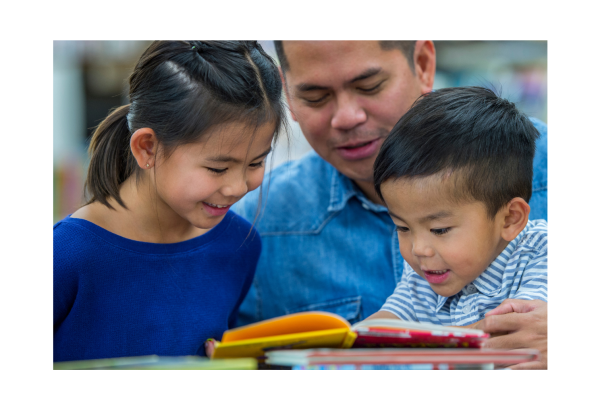
Early school-age children are diving into “big kid” experiences — starting school, learning to read, and exploring independence. They thrive with stories that spark imagination, offer gentle life lessons, and make them feel connected to the world around them.
Daily reading routines at this stage can:
Build excitement for learning to read
Foster social-emotional growth through relatable stories
Provide a comforting rhythm at the end of busy days, helping both parent and child go to bed happy and wake up refreshed
Reading Reframe Tip
Myth: Reading to your child while they are learning to read will make them not want to learn.
Fact: Reading to your child in a fun, enjoyable way actually makes them want to read!
Why? Because they associate reading time with:
Happy, loving moments with you
Fun, interesting stories
Shared conversation and connection
Even once children are reading independently, this bonding time remains valuable. My teenage son and I still look forward to reading together at the end of long days, discussing stories, laughing, and connecting.
Recommended Favorites
Picture Books & Standalone Stories
Early Reader Chapter Books
What This Age Loves in Books:
Twists on Familiar Stories
Relatable & Silly Characters
Life Lessons & Social-Emotional Growth
Favorite Books for Kids Ages 7-9

How This Age Learns Best
Children ages 7–9 are developing independence as readers, but they still love being read to. This shared reading builds a happy association with books and naturally encourages the transition to chapter books.
Stories at this stage can also:
Open conversations about emotions, friendships, and problem-solving
Support growth mindset by exploring mistakes and learning
Foster empathy and perspective-taking through relatable characters
Meltdown Moment Tip
Funny stories from younger age sections can diffuse tension with laughter, creating space to talk about feelings afterward.
Reading aloud can help children:
Feel heard and understood
See another perspective
Learn empathy for siblings and friends
Recommended Favorites
Picture Books & Standalone Stories
Chapter Books
Favorite Books for Kids Ages 9-12

How This Age Learns Best
Tweens (ages 9–12) are ready for longer, more complex stories that challenge their thinking and spark imagination. At this stage, children enjoy:
Relatable characters they can identify with
Fast-moving adventure plots
Stories that explore thought-provoking themes or social dilemmas
Reading together at this age can also help maintain connection, offering a safe space for conversations about feelings, fears, and life changes.
Connecting Tip
Let your child take the lead in choosing what you read together. Even if it’s not your favorite story, this approach:
Gives insight into their interests and fears
Encourages open dialogue about life and emotions
Keeps your nightly reading routine a safe, enjoyable space
Recommended Favorites
Fiction Favorites
What This Age Loves in Books:
- Stories that let them explore independence and personal identity
- Adventures with fast-paced plots and high stakes
- Characters navigating social, ethical, or emotional challenges
This is also a pivotal age to maintain a shared reading routine, which helps keep communication open as children transition into their teen years.
Favorite Books for Teens

How This Age Learns Best
Teenagers are ready for more complex stories, both fiction and non-fiction, that challenge their thinking and encourage self-reflection. At this stage, reading can:
Spark independent thinking and personal values
Encourage conversations about ethics, society, and identity
Connect teens with history, social issues, and personal development
Maintaining some shared reading (or discussion about reading) keeps communication open during these formative years.
Teen Tip
If your teen isn’t interested in reading together, try this:
Ask what their favorite book or audiobook is lately
Read it separately yourself
Share and ask about your favorite parts
Key points:
Avoid judging what they’re reading
Keep conversations neutral, curious, and loving
Use reading as a window into understanding your teen’s thoughts, feelings, and interests
This approach can naturally lead to open dialogue about more serious topics — mental health, relationships, and life choices — while keeping connection strong.
Recommended Favorites
Fiction & Series
Historical Fiction Favorites
Classic Literature
Non-Fiction Favorites
What This Age Loves in Books:
- Engaging characters and authentic dialogue
- Complex plots or real-life challenges
- Historical or societal perspectives that encourage reflection
- Non-fiction topics that expand knowledge and encourage critical thinking
Books at this stage can help teens explore personal beliefs, consider their role in society, and develop empathy for others.
Family Favorite Read-Alouds

Even as children grow more independent, reading aloud together remains a powerful way to connect — especially during times of change, stress, or family transitions.
Family read-aloud time can:
Create a comforting, stable routine
Spark shared laughter and discussion
Provide a safe space to explore feelings, share thoughts, and connect across ages
Even teens still enjoy gathering for stories — sometimes preferring that you do the reading — which links them back to the comfort of childhood routines.
For Successful Family Reading
Let everyone have a say in book selection
Try audiobooks on car trips — a favorite is Winnie-the-Pooh narrated by Peter Dennis
Follow the family’s enjoyment: if no one likes the book, choose a different one
Don’t feel obligated to finish books that aren’t fun — the goal is happy, connecting family time
Recommended Favorites
Classic & Timeless Stories
Short & Fun Poetry Reads
Family Read-Alouds Should Be:
- Engaging yet simple so all ages can enjoy
- Timeless and relatable with inspiring, endearing, or funny stories
- Opportunities to discuss ideas, feelings, and real-life topics naturally
These stories create shared experiences that help families connect and give children confidence to share thoughts in a safe environment.
Keep exploring stories for every age
Favorite Books for Babies Ages 0-2
How This Age Learns Best
Babies and toddlers learn about their new world through all five senses. When choosing books for littles, look for age-appropriate options that can handle the wear and tear of curious hands (and mouths!).
Let them interact freely with books—pulling, poking, touching, lifting flaps, and exploring.
Reading Reframe Tip
Reading with babies is more about connection than completion.
The best books are the ones that spark curiosity, smiles, and interaction. Ask simple questions about the pictures like, “Can you find the mouse?” Follow their lead.
Remember:
You don’t need to read every word
Smiling, laughing, pointing, or playing all count
Any positive interaction with a book builds your bond
“Reading” together is much more than words on a page — it’s about sharing wonder, joy, and relationship.
Littles Love & Thrive On:
Textures
Flaps & Movement
Holes to Peek & Poke
Repetition & Rhythm
Favorite Books for Toddlers Ages 2-3
How This Age Learns Best
Toddlers are learning independence and seeking reassurance that they are always loved.
Toddlers are especially drawn to:
Simple stories with flaps to lift
Repetition and rhyming language
Predictable rhythms that invite participation
Hearing familiar stories again and again isn’t just comforting — it’s how their brains build new language pathways. (So when they ask for the same book one more time, something important really is happening.) Creating a daily reading routine that both parent and child enjoy helps meet these emotional needs and strengthens your bond.
Reading Reframe Tip
Once a favorite book is well known, pause and let your child finish the sentence.
For example:
“Brown Bear, Brown Bear, what do you…?”
This simple practice:
Builds confidence and early language skills
Creates a sense of predictability and safety
Supports developing nervous systems through connection and rhythm
Recommended Favorites
Stories that Support This Stage:
Want to Sing the Story?
Favorite Books for Kids Ages 3-5
How This Age Learns Best
Preschoolers are naturally curious, imaginative, and full of wonder. Reading stories together invites you to see the world through their eyes — and that shared perspective can create positive ripples throughout your entire day. Preschool is also a key time for developing empathy, friendship, and emotional awareness.
Through thoughtfully written books — created by true children’s literature authors — engaging stories with illustrations naturally invite conversation between parent and child.
Fun, Interactive Tip
Reading with babies is more about connection than completion.
The best books are the ones that spark curiosity, smiles, and interaction. Ask simple questions about the pictures like, “Can you find the mouse?” Follow their lead.
Lean into your preschooler’s curiosity and sense of humor by inviting them to search the illustrations.
For example:
In 10 Minutes ’Till Bedtime, ask:
“Can you find the hamster wearing underwear on his head on every page?”Or look for silly, repeating characters in Officer Buckle, Goodnight Gorilla, or other Peggy Rathmann favorites.
Kids love discovering patterns — and even spotting characters that appear across multiple books. This playful interaction deepens engagement and makes reading feel like a shared adventure.
Recommended Favorites
What This Age Loves in Books:
Clever Stories
Budding Sense of Humor
Supporting Social-Emotional Growth
Relatable Characters & Simple Plots
Favorite Books for Kids Ages 5-7
How This Age Learns Best
Early school-age children are diving into “big kid” experiences — starting school, learning to read, and exploring independence. They thrive with stories that spark imagination, offer gentle life lessons, and make them feel connected to the world around them.
Daily reading routines at this stage can:
Build excitement for learning to read
Foster social-emotional growth through relatable stories
Provide a comforting rhythm at the end of busy days, helping both parent and child go to bed happy and wake up refreshed
Reading Reframe Tip
Myth: Reading to your child while they are learning to read will make them not want to learn.
Fact: Reading to your child in a fun, enjoyable way actually makes them want to read!
Why? Because they associate reading time with:
Happy, loving moments with you
Fun, interesting stories
Shared conversation and connection
Even once children are reading independently, this bonding time remains valuable. My teenage son and I still look forward to reading together at the end of long days, discussing stories, laughing, and connecting.
Recommended Favorites
Picture Books & Standalone Stories
Early Reader Chapter Books
What This Age Loves in Books:
Twists on Familiar Stories
Relatable & Silly Characters
Life Lessons & Social-Emotional Growth
Favorite Books for Kids Ages 7-9
How This Age Learns Best
Children ages 7–9 are developing independence as readers, but they still love being read to. This shared reading builds a happy association with books and naturally encourages the transition to chapter books.
Stories at this stage can also:
Open conversations about emotions, friendships, and problem-solving
Support growth mindset by exploring mistakes and learning
Foster empathy and perspective-taking through relatable characters
Meltdown Moment Tip
Funny stories from younger age sections can diffuse tension with laughter, creating space to talk about feelings afterward.
Reading aloud can help children:
Feel heard and understood
See another perspective
Learn empathy for siblings and friends
Recommended Favorites
Picture Books & Standalone Stories
Chapter Books
Favorite Books for Kids Ages 9-12
How This Age Learns Best
Tweens (ages 9–12) are ready for longer, more complex stories that challenge their thinking and spark imagination. At this stage, children enjoy:
Relatable characters they can identify with
Fast-moving adventure plots
Stories that explore thought-provoking themes or social dilemmas
Reading together at this age can also help maintain connection, offering a safe space for conversations about feelings, fears, and life changes.
Connecting Tip
Let your child take the lead in choosing what you read together. Even if it’s not your favorite story, this approach:
Gives insight into their interests and fears
Encourages open dialogue about life and emotions
Keeps your nightly reading routine a safe, enjoyable space
Recommended Favorites
Fiction Favorites
What This Age Loves in Books:
- Stories that let them explore independence and personal identity
- Adventures with fast-paced plots and high stakes
- Characters navigating social, ethical, or emotional challenges
This is also a pivotal age to maintain a shared reading routine, which helps keep communication open as children transition into their teen years.
Favorite Books for Teens
How This Age Learns Best
Teenagers are ready for more complex stories, both fiction and non-fiction, that challenge their thinking and encourage self-reflection. At this stage, reading can:
Spark independent thinking and personal values
Encourage conversations about ethics, society, and identity
Connect teens with history, social issues, and personal development
Maintaining some shared reading (or discussion about reading) keeps communication open during these formative years.
Teen Tip
If your teen isn’t interested in reading together, try this:
Ask what their favorite book or audiobook is lately
Read it separately yourself
Share and ask about your favorite parts
Key points:
Avoid judging what they’re reading
Keep conversations neutral, curious, and loving
Use reading as a window into understanding your teen’s thoughts, feelings, and interests
This approach can naturally lead to open dialogue about more serious topics — mental health, relationships, and life choices — while keeping connection strong.
Recommended Favorites
Fiction & Series
Historical Fiction Favorites
Classic Literature
Non-Fiction Favorites
What This Age Loves in Books:
- Engaging characters and authentic dialogue
- Complex plots or real-life challenges
- Historical or societal perspectives that encourage reflection
- Non-fiction topics that expand knowledge and encourage critical thinking
Books at this stage can help teens explore personal beliefs, consider their role in society, and develop empathy for others.
Family Favorite Read-Alouds
Even as children grow more independent, reading aloud together remains a powerful way to connect — especially during times of change, stress, or family transitions.
Family read-aloud time can:
Create a comforting, stable routine
Spark shared laughter and discussion
Provide a safe space to explore feelings, share thoughts, and connect across ages
Even teens still enjoy gathering for stories — sometimes preferring that you do the reading — which links them back to the comfort of childhood routines.
For Successful Family Reading
Let everyone have a say in book selection
Try audiobooks on car trips — a favorite is Winnie-the-Pooh narrated by Peter Dennis
Follow the family’s enjoyment: if no one likes the book, choose a different one
Don’t feel obligated to finish books that aren’t fun — the goal is happy, connecting family time
Recommended Favorites
Classic & Timeless Stories
Short & Fun Poetry Reads
Family Read-Alouds Should Be:
- Engaging yet simple so all ages can enjoy
- Timeless and relatable with inspiring, endearing, or funny stories
- Opportunities to discuss ideas, feelings, and real-life topics naturally
These stories create shared experiences that help families connect and give children confidence to share thoughts in a safe environment.
“CHILDREN’S BOOKS CAN BE DOORWAYS TO CONNECT:
To build relationships. To feel seen. To find words for feelings and experiences.
To learn. To laugh. To love.”
– Sarah Randall –
Search stories by topic for many more family favorites, including my ‘parenting toolbox’ books like Seven Spools of Thread by Angela Medearis or Seven Blind Mice by Ed Young to help kids get along and appreciate differences.
View Stories By Topic
